Self-Employed DBS Checks: Is Your Work Eligible for an Enhanced Check?
If you work for yourself, or a family employs you directly, you no longer need an organisation to sponsor your Enhanced DBS check. You can apply on your own through a registered umbrella body such as dbschecks.org. Pick your line of work below to see where you stand.
- You apply yourself – there is no need for an employer
- We confirm you are eligible before anything goes to the DBS
- Prove who you are digitally using your phone and passport
- Your certificate arrives by post, ready to add to the Update Service


Guides for each type of self-employed work
Each guide explains which level of check usually applies to that kind of work, when the barred list is included and what you need to apply.
 Children's Barred List
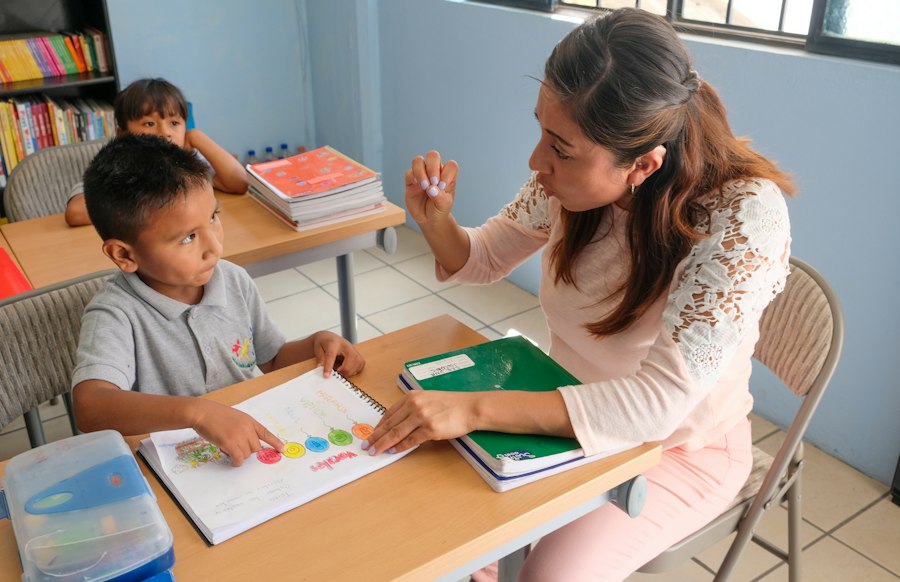
Tutors and private teachers
Home-school, online and SEN tutors, learning mentors, and music, singing, dance, drama or language teachers who teach under-18s.
Read more → Children's Barred List
Sports coaches and instructors
Football, swimming, gymnastics, martial arts and riding instructors coaching young people – including if you work for several clubs.
Read more → Children's Barred List
Holiday club and activity leaders
Anyone running holiday clubs, forest school sessions or after-school activities for children.
Read more → Children's Barred List
Nannies and childminders
Nannies, nanny-shares, childminders, maternity nurses, night nannies and babysitters paid by families.
Read more → Children's or Adults' Barred List
Counsellors, therapists and mentors
Counsellors and psychotherapists, plus youth mentors, children's counsellors, play therapists and child psychologists.
Read more → Adults' Barred List
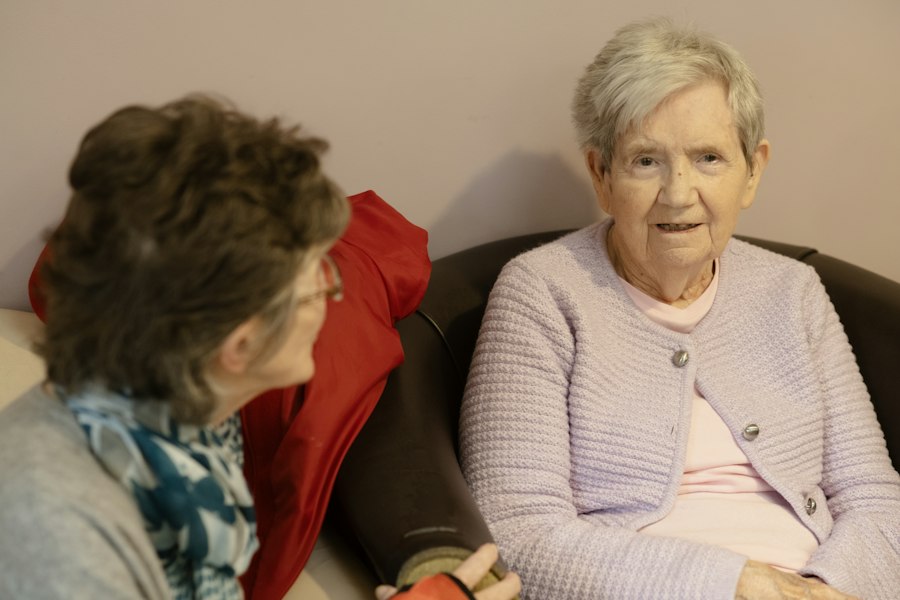
Carers and personal assistants
Home, live-in and companion carers, PAs, help with shopping, bills or money, and drivers taking people to care or medical appointments.
Read more →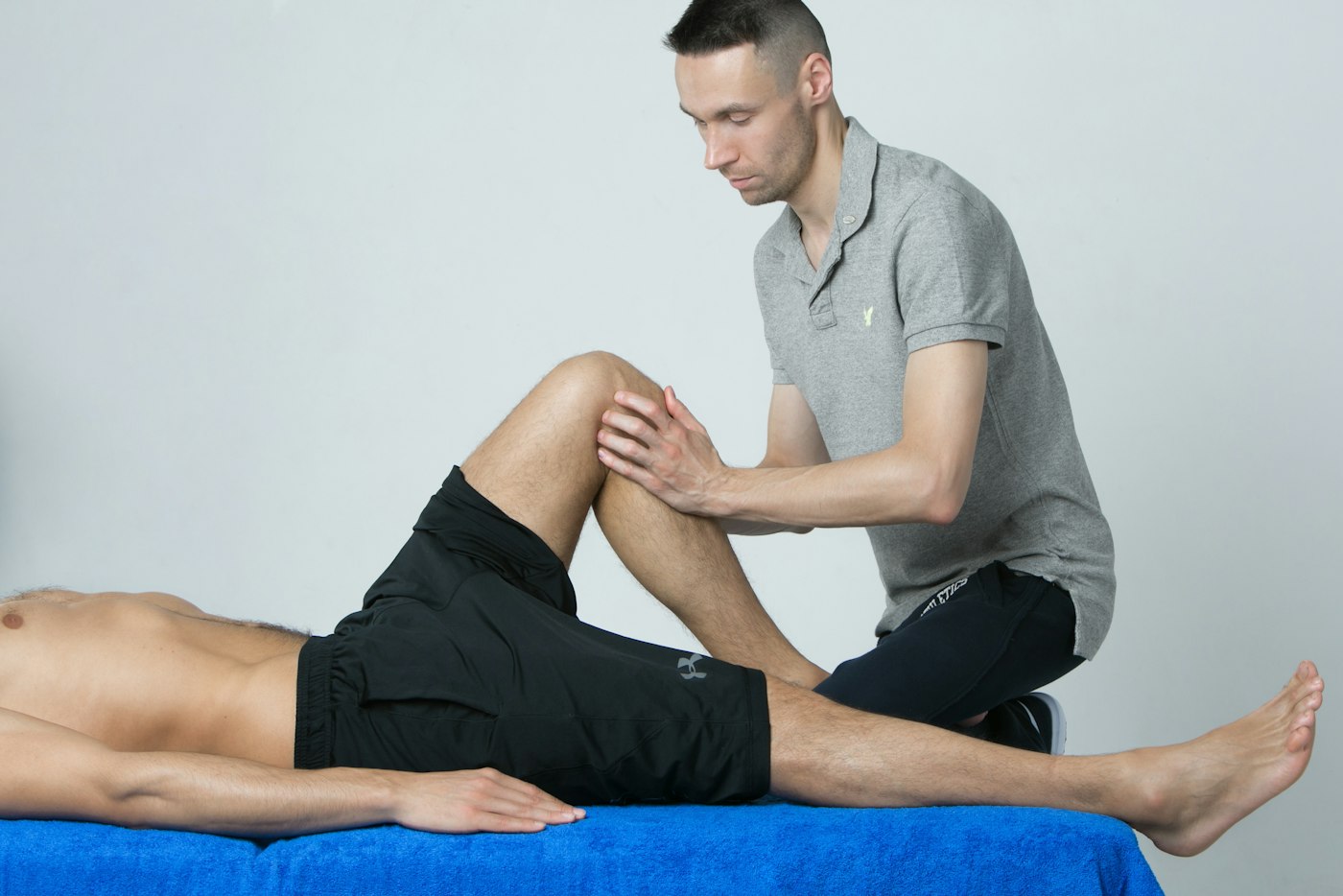 Adults' or Children's Barred List
Nurses and health professionals
Private nurses, physiotherapists, occupational therapists, podiatrists, dietitians and speech and language therapists.
Read more → Adults' Barred List
Independent social workers
Registered social workers who carry out social work with adults on a self-employed basis.
Read more → Adults' Barred List
Deputies, attorneys and advocates
People formally appointed to look after an adult's money or affairs, such as a lasting power of attorney, and independent advocates.
Read more →Nanny, childminder, babysitter or au pair? Families who employ you directly can't apply for you, but you can apply for your own Enhanced check. Read our guide for nannies and childminders.
Examples of self-employed jobs that can qualify
These titles are examples only, and the list is not complete. Your job title alone doesn't settle it – the tasks you carry out and how frequently you do them count for more. If you can't see your work here, email us first and we'll point you to the right check.
Roles with children
Childcare in family homes: nanny, nanny-share nanny, live-in nanny, night nanny, childminder, maternity nurse, babysitter, au pair
Tutoring and lessons: private tutor, online tutor, home-school tutor, SEN tutor, learning mentor, and music, singing, dance, drama or language teacher
Sport and activities: sports coach, football coach, swimming instructor, martial arts instructor, gymnastics coach, horse riding instructor; holiday club leader, forest school leader, after-school activity leader
Wellbeing and therapy: youth mentor, children's counsellor, child psychologist, play therapist; speech and language therapist
Roles supporting adults
Health care: private nurse, physiotherapist, occupational therapist, podiatrist or chiropodist, dietitian
Talking therapies: counsellor, psychotherapist
Social work, affairs and advocacy: independent social worker; professional deputy, attorney under a lasting power of attorney, independent advocate
How eligibility is decided
Nothing about who qualifies has changed in 2026 – only the way self-employed people can apply. Eligibility depends on the work itself, judged on three points.
1. The people you work with
Under-18s, or adults who need support because of their age, an illness or a disability.
2. The tasks you carry out
Things like teaching, coaching, caring for or supervising children, or giving adults personal care or practical help.
3. How frequently you do it
With children, work counts as regular if it happens at least once a week, on four or more days in any month, or overnight between 2am and 6am. Less frequent work may still qualify for an Enhanced check without the barred list.
If you work with children
Regular work with under-18s normally qualifies for an Enhanced check that includes the Children's Barred List. If your work is only occasional, you may still be able to get an Enhanced check, just without the barred list.
If you support adults
Giving care or help that someone needs because of their age, illness or disability is eligible. For this kind of work there is no frequency test. Counselling and psychotherapy qualify where the therapy counts as health care – we'll go through the details with you before we submit.
Work that usually needs a Basic check instead
Visiting people in their own homes doesn't make a job eligible for an Enhanced check by itself. The roles below normally need a Basic check, or get their Enhanced check through a different route.
Trades
Builders, plumbers and electricians – including when the job is inside someone's home.
Cleaning, gardening and dog walking
Not eligible unless you also give care or help that an adult needs.
Personal trainers and life coaches for adults
Coaching adults doesn't qualify, although regularly coaching children does.
Hair and beauty
Hairdressers and beauticians, whether in a salon or visiting clients at home.
Taxi and private hire drivers
Your local licensing council arranges your Enhanced check, so you don't apply through us.
Not sure which applies?
Our which DBS check guide explains the differences between the levels.
Applying as a self-employed person: four steps
Before you start, have your biometric passport and a phone that supports contactless payments to hand.
Find your role
Use the guides above to see whether your work is likely to qualify.
Fill in the online form
Where the form asks for the organisation name, type SELF-EMPLOYED or PERSONAL EMPLOYEE.
Prove your identity digitally
Self-employed applicants must complete the digital ID check, using a biometric passport and a contactless-enabled phone.
We review and send it on
We check your application and then pass it to the DBS. Your certificate is sent to you by post.
Taking on a tutor, coach or carer for your family?
As a family, you can't apply for a DBS check for the person you're hiring – they need to apply for their own. You're welcome to ask to see their original certificate. If they've signed up to the DBS Update Service, you can also check online, free of charge, that their certificate is still current.
Your questions answered
Will I pay more because I'm self-employed?
No. Your Enhanced check costs exactly the same as one arranged through an employer, whether or not the barred list is included.
Is a Standard check available to self-employed people?
No. The self-employed route only covers Enhanced checks, with or without the barred lists. If your work doesn't qualify for an Enhanced check, a Basic check is the option open to you.
Can I go straight to the DBS myself?
No. Your application has to be made through a registered umbrella body, such as us.
What should I write as the organisation name?
Enter SELF-EMPLOYED or PERSONAL EMPLOYEE in the organisation name field of the online form.
Is the Update Service open to me?
Yes. Signing up keeps your certificate up to date and means the families or clients you work for can check it online.
My job isn't listed – what now?
Email us before you apply and we'll let you know which check suits your work. You can also browse our general DBS questions.
Still unsure whether you qualify?
Send us your application and we'll check your eligibility before anything reaches the DBS. If an Enhanced check isn't the right fit, we'll let you know.